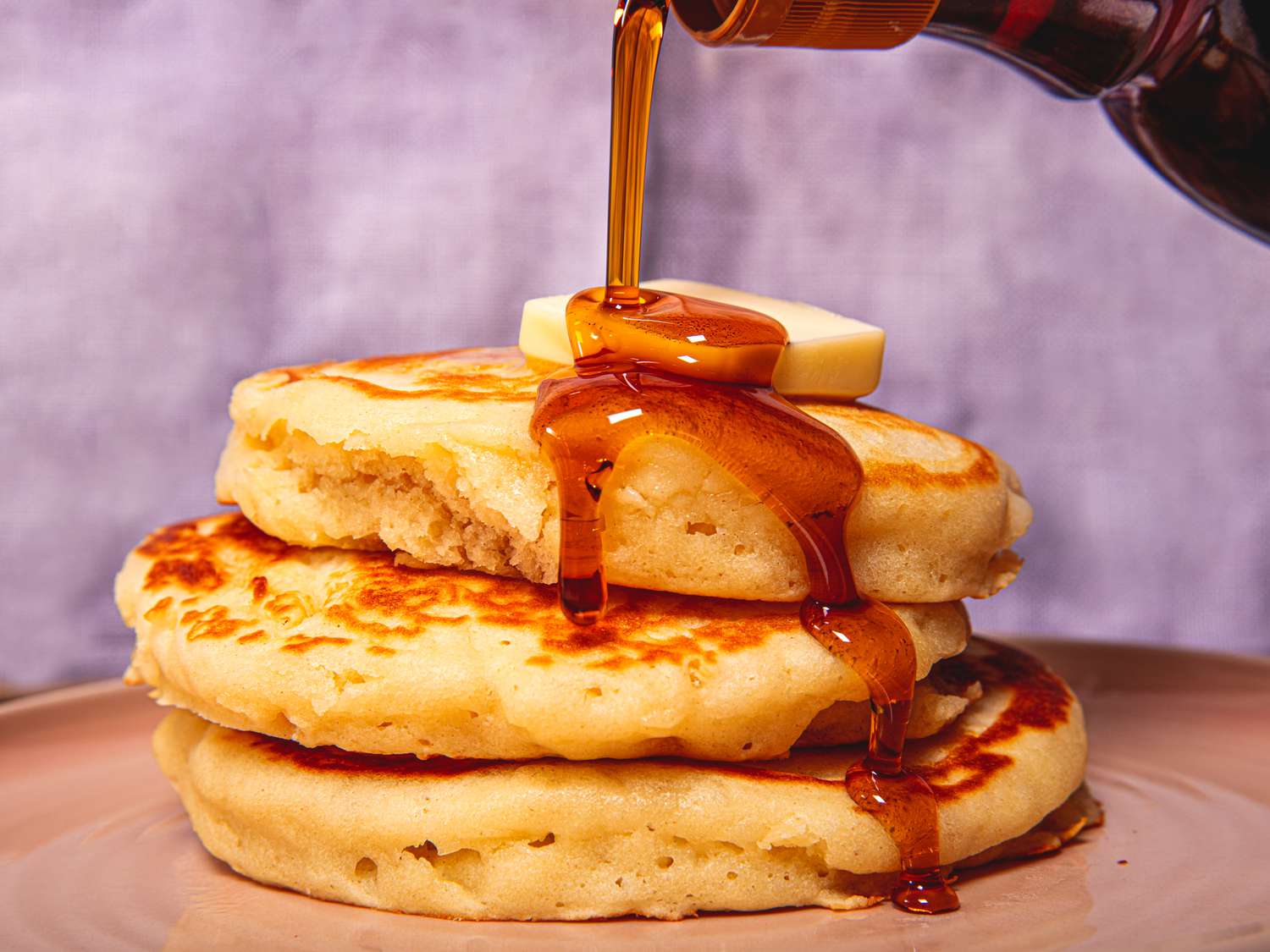
The Secret to Heavenly Fluff: Why Overmixing is Your Arch-Nemesis
There's nothing quite like a stack of golden, pillowy pancakes to kickstart a weekend morning. Yet, for many home cooks, the quest for truly light and fluffy pancakes remains elusive. The frustration of tough, rubbery results can often lead one back to pre-made mixes. But what if we told you the secret to unlocking the perfect texture in your Easy Fluffy Pancakes: Your Go-To Basic Homemade Recipe lies in a single, often-overlooked technique? It's time to uncover the truth: the nemesis of fluff is overmixing.
When you embark on a Basic Pancake Recipe, the urge to vigorously whisk away all the lumps in your batter is strong. Resist it! Flour contains gluten, a protein that develops elasticity and strength when hydrated and worked. While this is fantastic for bread, where chewiness is desired, it's the exact opposite of what you want for pancakes. Overmixing strengthens this gluten network, leading to a dense, chewy, and frankly, disappointing pancake texture.
Instead, your goal is a batter that is *just combined*. A few small lumps are not just acceptable; they are a sign you're on the right track! These tiny pockets of dry flour will hydrate as the batter rests, contributing to a tender crumb. Embrace the lumps, and you'll be one step closer to pancake perfection.
Mastering the Basic Pancake Recipe: Ingredients & Prep
Achieving those coveted fluffy discs starts with understanding your ingredients and their roles in a solid Basic Pancake Recipe. This simple formula uses common pantry staples, proving that extraordinary results don't require exotic items.
Essential Ingredients for Fluffy Pancakes:
- 1 cup All-Purpose Flour: The structural backbone of your pancake.
- 1 tablespoon Baking Powder: This is your primary leavening agent. It reacts with liquid and heat to produce carbon dioxide bubbles, creating the airy texture. Don't skimp on fresh baking powder!
- 1 tablespoon Sugar: Adds a touch of sweetness, enhances flavor, and aids in browning for that beautiful golden crust.
- 1/2 teaspoon Salt: Balances the sweetness and amplifies the overall flavor profile.
- 1 Egg, beaten: Binds the ingredients, adds richness, and contributes to the structure and tenderness. Using a room-temperature egg can help it incorporate more smoothly into the batter.
- 1 cup Milk: Hydrates the dry ingredients, helps activate the baking powder, and creates a smooth, pourable batter. Again, room-temperature milk can lead to a more uniform batter.
- 2 tablespoons Vegetable Oil (for batter): Adds moisture and richness, contributing to a tender crumb.
The Gentle Art of Mixing:
The preparation process is key to avoiding the dreaded overmixing. Follow these steps for success:
- Combine Dry Ingredients: In a large bowl, whisk together the flour, baking powder, sugar, and salt. This ensures even distribution of the leavening agent and seasoning throughout the batter.
- Combine Wet Ingredients: In a separate bowl, gently whisk the beaten egg, milk, and the 2 tablespoons of vegetable oil until well combined.
- Marry Wet to Dry (Carefully!): Pour the wet ingredients into the dry ingredients. Now for the crucial part: stir until just moist. Use a spoon or spatula and mix only until no streaks of dry flour remain. Lumps are perfectly fine, even desirable! This typically means no more than 10-15 gentle stirs.
- The Essential Rest: Let your batter rest for at least 30 seconds, or even up to 5-10 minutes. This allows the flour to fully hydrate, the gluten to relax (preventing toughness), and the baking powder to begin its magic, resulting in a more tender and voluminous pancake.
The Art of the Flip: Griddle Techniques for Golden Perfection
Once your perfectly mixed batter is ready, the next step is cooking. The griddle technique is just as vital as the mixing to ensure your Quick Basic Pancakes: Simple Ingredients, Fluffy Results in 20 Mins reach their full potential.
Optimal Griddle & Cooking Practices:
- Heat It Right: Preheat your griddle or nonstick skillet over medium heat. You want it hot enough to sizzle a drop of water, but not so hot that it instantly burns the batter. A good temperature ensures even cooking and beautiful browning.
- Grease Lightly: Lightly grease your cooking surface. We recommend using a neutral-flavored oil like vegetable or canola oil. While butter offers a lovely flavor, its milk solids can burn quickly, leaving unsightly black specks and a slightly scorched taste on your pancakes. Oil provides a clean, even cook.
- Portioning: Spoon or pour your batter onto the hot griddle. For uniform pancakes, a 1/4 cup measure works well for medium-sized pancakes.
- The Crucial Flip Cues: This is where patience pays off! Resist the urge to flip too early. Wait until you see several bubbles appear and pop on the upper surface of the pancake. The edges should also start to look dry and set. This typically takes about 2-3 minutes for the first side. These visual cues indicate that the pancake has developed enough structure to hold its shape and is ready for the turn.
- The Second Side: Gently slide your spatula under the pancake and flip it over. Cook for an additional 1-2 minutes, or until the bottom is golden brown and the pancake is cooked through. The second side usually cooks faster than the first.
Keeping Pancakes Warm:
If you're cooking a batch for a crowd, keeping them warm is essential. As pancakes finish cooking, transfer them in a single layer to a baking sheet and place them in a preheated oven at 200°F (95°C). This keeps them toasty without continuing to cook them, ensuring every serving is perfectly warm and fluffy.
Elevating Your Basic Pancake Recipe: Tips, Tricks & Variations
While a classic Basic Pancake Recipe is a delight on its own, a few extra tips and creative variations can take your breakfast experience to the next level.
Practical Tips for Pancake Perfection:
- Fresh Leavening: Always ensure your baking powder is fresh. An expired leavening agent is a common culprit for flat pancakes. Test it by adding a teaspoon to a half cup of hot water; it should fizz vigorously.
- Room Temperature Ingredients: Using milk and eggs at room temperature can help them incorporate more easily into the batter, preventing overmixing and promoting a smoother, more uniform consistency.
- Batter Storage: For the fluffiest results, it's best to cook pancakes right after the batter is mixed. Baking powder starts to lose its leavening power over time once activated. You *can* store batter in the refrigerator for up to one day, but expect a slight decrease in fluffiness.
Delicious Variations:
Once you've mastered the basic recipe, feel free to experiment:
- Banana & Cinnamon: As suggested by a classic recipe, mash one ripe black banana and add it to the wet ingredients along with 1/2 teaspoon of cinnamon for a naturally sweet and aromatic twist.
- Berries & Chocolate: Gently fold in fresh blueberries, raspberries, or chocolate chips *after* the initial gentle mixing. Be careful not to overmix!
- Buttermilk Boost: For an extra tangy and tender pancake, replace regular milk with buttermilk. The acid in buttermilk reacts wonderfully with baking powder (or baking soda, if you swap out some baking powder for soda), creating even more lift and a distinctive flavor.
- Vanilla Extract: A splash (1 teaspoon) of vanilla extract in the wet ingredients can add a beautiful depth of flavor.
Conclusion
Creating truly fluffy, golden pancakes from scratch is a culinary triumph that's well within your reach. The journey begins with a solid Basic Pancake Recipe, simple pantry ingredients, and a crucial understanding of one golden rule: avoid overmixing. By gently combining your ingredients, respecting the essential resting time for the batter, and knowing the tell-tale signs for the perfect flip, you'll consistently churn out stacks of tender, airy perfection.
So, the next time you crave that classic breakfast staple, ditch the box mix and embrace the simple joy of homemade. With these secrets in hand, you're ready to master the art of the perfect pancake and delight your taste buds with every light, fluffy bite.